Installing a whole-house surge protector is one of the most practical electrical upgrades you can make. It mounts near your main electrical panel and connects to a dedicated double-pole circuit breaker, protecting every circuit in your home from damaging voltage spikes. While the process follows a clear set of steps, working inside a live electrical panel carries serious risk of electrocution and fire. A licensed electrician is the right choice for most homeowners. If you have solid electrical experience and the right tools, this guide walks you through the full process safely.

Before You Start: Is This a DIY Job?

Most electricians complete this installation in under an hour. The total cost with professional labor runs between $300 and $700, which includes the device ($100 to $400) and labor ($150 to $300). For a job that protects tens of thousands of dollars in appliances and electronics, hiring a licensed electrician is well worth the cost. Many jurisdictions also require a permit for panel work, which an electrician can pull on your behalf.

If you do choose to proceed yourself, only do so if you have direct experience working inside electrical panels, understand how to safely test for live voltage, and are comfortable with the local code requirements in your area.

Tools and Materials You Will Need

  • Whole-house surge protector (Type 2, UL 1449 Listed, minimum 50 kA to 80 kA rating)
  • Double-pole circuit breaker (15, 20, or 30 amp, compatible with your panel brand)
  • Non-contact voltage tester
  • Wire strippers
  • Wire cutters
  • Flathead and Phillips screwdrivers
  • Cordless drill
  • Electrical tape
  • Insulated gloves and safety glasses
  • Flashlight or headlamp

Safety Precautions Before You Begin

  • Switch off the main breaker to de-energize the panel before removing the cover.
  • Use a non-contact voltage tester on all wires before touching anything. Even with the main breaker off, the service entrance wires at the top of the panel remain live at all times.
  • Wear insulated gloves and safety glasses throughout the process.
  • Remove all jewelry and metal items before starting.
  • Use a piece of cardboard as a barrier between yourself and any wires you are not actively working on.
  • Never work alone. Have someone nearby in case of an emergency.

How to Install a Whole House Surge Protector: Step-by-Step

Step 1: Remove the Panel Cover

Unscrew the panel cover and set it aside carefully, storing the screws in a container so none are misplaced. With the cover off, use your non-contact voltage tester to check every wire in the panel before proceeding. Confirm no current is flowing before you touch anything. Remember: the thick service entrance wires at the very top of the panel that connect to the meter are always live, regardless of breaker position. Stay clear of these at all times.

Step 2: Choose a Mounting Location

Decide whether to mount the surge protector inside or outside the panel box. Installing it inside the panel is the preferred approach because it places the device closest to the incoming power lines and minimizes wire length. Shorter wires between the device and the breaker provide better protection. The surge protector must be within reach of the double-pole breaker you will install, so factor in wire routing when choosing the spot.

For an external mount, locate a knockout hole on the side of the panel box. For an internal mount, follow the manufacturer’s instructions for securing the device inside the enclosure using the provided mounting hardware.

Step 3: Mount the Surge Protector

External installation: Knock out a half-inch knockout on the side of the panel. Feed the surge protector’s wires through the knockout opening into the panel interior. Thread the locknut onto the conduit fitting and tighten it to secure the device against the outside wall of the box. Mount the device body to the wall with screws.

Internal installation: Secure the device to the inside of the panel enclosure using the drill and mounting hardware included with the unit. Position it close to the main breaker, keeping wire runs as short as possible.

Step 4: Install the Double-Pole Breaker

Your surge protector requires a dedicated double-pole circuit breaker, which occupies two adjacent slots in the panel. The best position is as close to the main breaker as possible. If your panel is full, you may need to relocate the lowest existing breaker to a different slot to create space near the top. To move a breaker, remove its wires, pull the breaker free, snap it into the new slot, and reconnect the wires. Label the new location clearly.

Once the slot is ready, firmly press the double-pole breaker into position until it clicks and seats securely. Make sure the breaker is in the OFF position before connecting wires to it.

Step 5: Trim and Strip the Wires

Keep all wire runs as short and straight as possible. Measure from each terminal to its destination, cut the wires to the appropriate length, and use wire strippers to expose approximately 5/8 inch of bare conductor at each end. Avoid sharp bends or excess slack that could stress connections over time.

Step 6: Connect the Wires

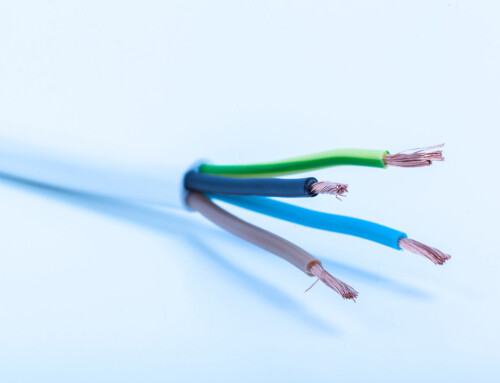
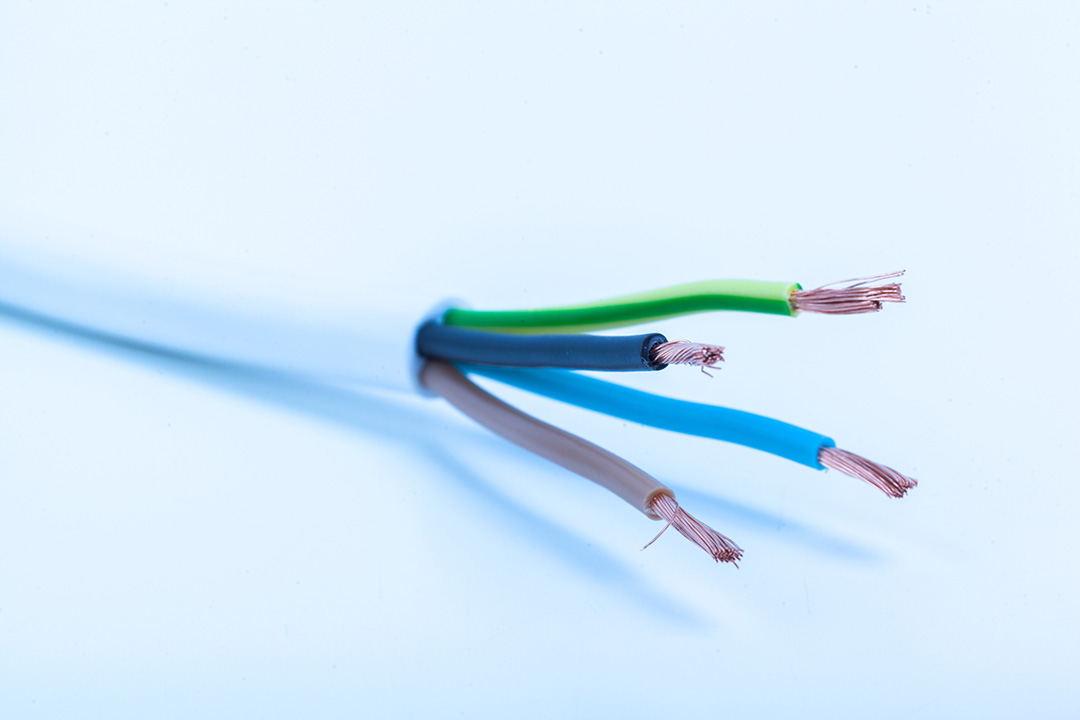
Most whole-house surge protectors come with four wires. Connect them as follows:

  • Green wire (ground): Connect to the ground bus bar in the panel. Loosen the appropriate terminal screw, insert the wire, and tighten firmly.
  • White wire (neutral): Connect to the neutral bus bar. Loosen a terminal, insert the wire, and tighten securely.
  • Black wire (hot): Connect to one terminal on the double-pole circuit breaker.
  • Red wire (hot): Connect to the other terminal on the double-pole circuit breaker.

Tighten every terminal screw firmly. A loose connection is a fire hazard. Give each wire a gentle tug to confirm it is fully seated.

Step 7: Replace the Panel Cover and Test

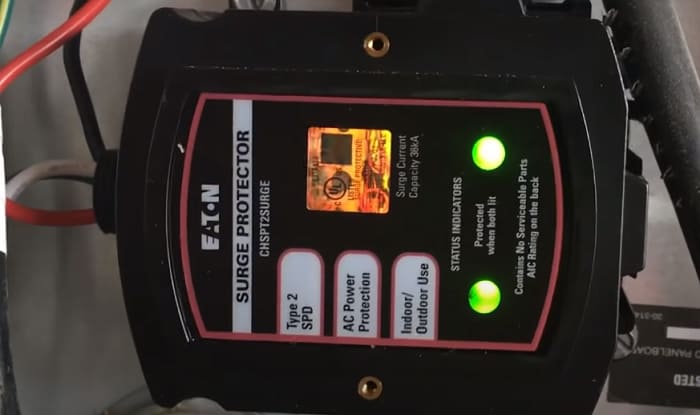
With all connections made, replace the panel cover and secure it with its screws. Turn the main breaker back on, then flip your new double-pole surge protector breaker to the ON position. The surge protector’s LED indicator light should illuminate green, confirming the unit is active and operational.

If the LED does not light up, turn the breaker off and recheck each wire connection before troubleshooting further. A dark LED after breaker activation typically indicates a loose wire, an incorrectly installed breaker, or a faulty unit.

“`

Choosing the Right Whole House Surge Protector

Not every device on the market offers the same level of protection. Keep these criteria in mind when selecting a unit:

  • Type 2 classification: For residential panel installation, you need a Type 2 SPD. Type 1 devices are designed for installation before the main breaker and require utility involvement.
  • UL 1449 Listed: This is the minimum safety certification to look for. It confirms the device has been independently tested for both performance and safety.
  • Surge current rating: Look for a minimum of 50 kA per phase. For homes in areas with frequent lightning or grid instability, 80 kA or higher is a better choice.
  • Voltage Protection Rating (VPR): A lower VPR means tighter voltage clamping. Aim for 600V or below.
  • LED status indicator: Essential for monitoring whether the unit is still functioning after a surge event.
  • Connected equipment warranty: Some brands, including Square D, offer a warranty covering connected appliances if the protector fails during a surge. This is a strong indicator of manufacturer confidence in the product.
  • Panel compatibility: Confirm the double-pole breaker included with, or required by, the surge protector is compatible with your specific panel brand (Square D, Eaton, Leviton, Siemens, etc.).

What Happens After Installation

Once installed, the surge protector operates silently in the background. For ongoing reliability:

  • Check the LED indicator monthly. A lit green LED means the device is active. If it goes dark, the unit has been compromised by a large surge and must be replaced even if your appliances appear unaffected.
  • Replace the device every 3 to 5 years as a precaution, or sooner if the indicator signals a fault.
  • Pair the whole-house unit with point-of-use surge strips at outlets serving computers, televisions, and audio equipment for full layered protection.
  • Check your GFCI and AFCI outlets monthly as part of your routine electrical maintenance.

DIY vs. Hiring a Licensed Electrician

The table below summarizes how the two approaches compare:

Factor DIY Installation Licensed Electrician
Cost Device cost only ($100 to $400) $300 to $700 total installed
Safety risk High if inexperienced Low with trained professional
Permit handling Homeowner responsibility Electrician typically handles
Time to complete 1 to 3 hours for experienced DIYer Under 1 hour typically
Warranty validity May be voided by improper install Preserved with correct installation
Code compliance Risk of errors Guaranteed by licensed professional

To Sum Up

Installing a whole-house surge protector is one of the most cost-effective ways to safeguard every circuit, hard-wired appliance, and connected device in your home. Done correctly, it takes less than an hour and provides years of silent protection. If you need quality surge protectors or other electrical materials, D&F Liquidators carries a wide selection for both residential and commercial needs.

Frequently Asked Questions

Do I need a permit to install a whole house surge protector?

In many jurisdictions, any work inside the main electrical panel requires a permit. Requirements vary by location, so check with your local building department before starting. A licensed electrician will know your local code and can pull the permit for you.

What breaker size do I need for a whole house surge protector?

Most whole-house surge protectors require a 15-amp, 20-amp, or 30-amp double-pole breaker. Always check the manufacturer’s specification sheet for your specific model. The breaker must also be compatible with your panel brand.

Can I install a whole house surge protector without a double-pole breaker?

No. A double-pole breaker is required to provide both hot legs of your 240-volt residential service to the surge protector. Without it, the device cannot protect your full electrical system.

Will a whole house surge protector work without a ground?

No, and it is not safe to use without one. The surge protector diverts excess voltage to the ground conductor. Without a proper ground, that excess energy has nowhere to go safely and could flow to nearby materials, creating a shock hazard or fire risk. If your home lacks proper grounding, address that issue before installing any surge protection device.

How long does whole house surge protector installation take?

A licensed electrician typically completes the installation in 30 to 60 minutes. For a capable DIYer working carefully for the first time, allow 1 to 3 hours.

Where is the best location to install a whole house surge protector?

The best position is inside your main electrical panel, as close to the main breaker as possible. This minimizes the wire length between the device and the incoming power lines, which improves protection. The second-best option is mounted externally on the outside of the panel box, with wires fed through a knockout hole.