Blog

Is It Safe to Use Surplus or Used Electrical Equipment?

Buying electrical equipment is rarely a small expense, especially for industrial facilities, contractors, or businesses managing large projects. That is one reason surplus and used electrical equipment has become an attractive option. It can lower costs, reduce waiting times, and even make it possible to find parts that are no longer being manufactured. Still, one [...]

Buying Used Electrical Equipment: What to Check Before You Make a Purchase

Electrical equipment is expensive, and replacing it with brand new components is not always the most practical option. That is why many businesses turn to used electrical equipment when upgrading facilities, expanding operations, or replacing older systems. When sourced carefully, used equipment can save money and reduce project delays. However, it also comes with certain [...]

What Are Electrical Surplus Liquidators? How They Help Save Costs

When businesses need electrical equipment, the first thought is often to buy directly from manufacturers or distributors. While that works in many situations, it is not always the most cost-effective option. Electrical components can be expensive, especially when you're managing a large construction project, upgrading a facility, or replacing industrial equipment. Costs can add up [...]

Top 5 Electrical Liquidators in California

Finding electrical equipment is usually straightforward until you need something that is no longer manufactured, out of stock, or priced far above your budget. That is where electrical liquidators come into the picture. Across California, contractors, manufacturers, maintenance teams, and industrial buyers regularly turn to surplus suppliers to find electrical equipment at lower prices. These [...]

Different Types of Electrical Wire Connectors Explained

Electrical wiring is not just about running cables from one point to another. The way wires connect matters just as much as the wiring itself. A weak or incorrect connection can lead to power loss, overheating, or electrical faults over time. In this blog, we are taking a look at electrical wire connectors, what they [...]

How Much Does It Cost to Rewire a House in 2026?

Rewiring a house typically costs between $3,000 and $20,000+, depending on the size of the home, labor rates, accessibility, and the condition of the existing electrical system. Most homeowners spend around $6,000 to $12,000 for a complete rewiring project. Most electricians charge between $50 and $100 per hour, and total costs generally range from $2 [...]

Solid Wire: Meaning, Types, Uses, Pros & Cons!

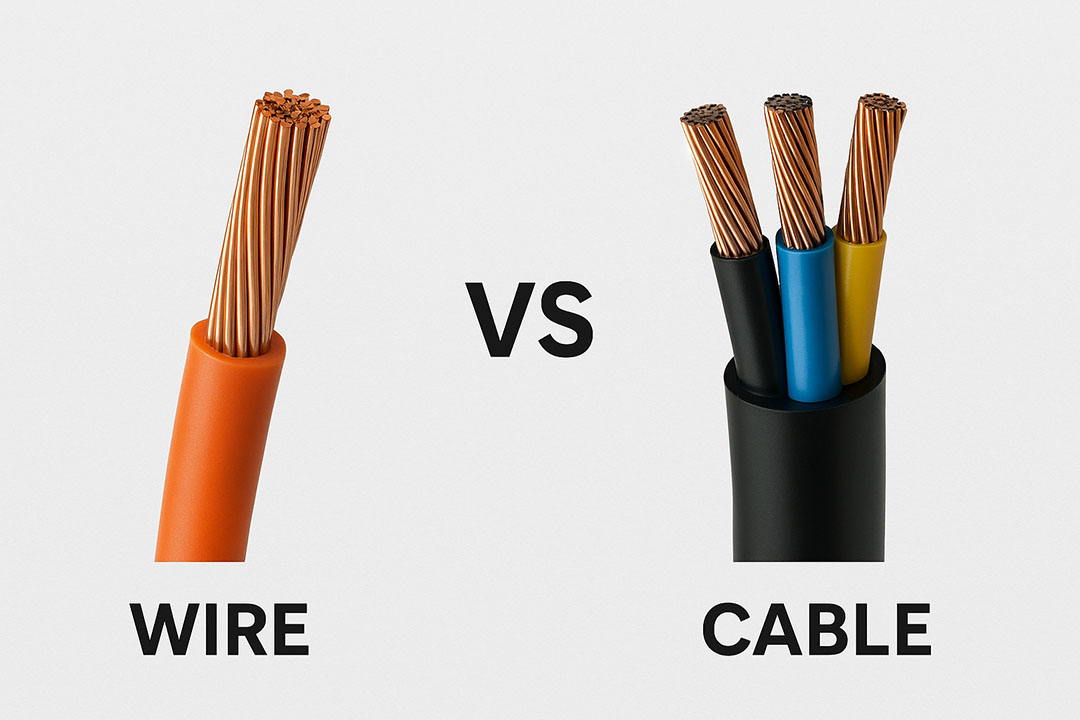
Key key_Takeaways Solid wire is made from a single metal core. No strands. It is commonly used in fixed wiring, such as homes and panels. It conducts electricity well but does not bend easily. Different types of solid wire include bare, insulated, copper, and aluminum. It is reliable, but not ideal for moving or flexible [...]

Gray Electrical Wire: Meaning, Uses & Safety Guide

Key key_Takeaways A gray electrical wire is most commonly used as a neutral conductor. It carries current back to the source in a circuit. You commonly see it in residential, commercial, and control wiring setups. It should always be tested before assuming its role. Color helps, but verification is what keeps things safe. When it [...]

What is the Green Wire in Electrical: It’s Purpose & Grounding Safety Guide

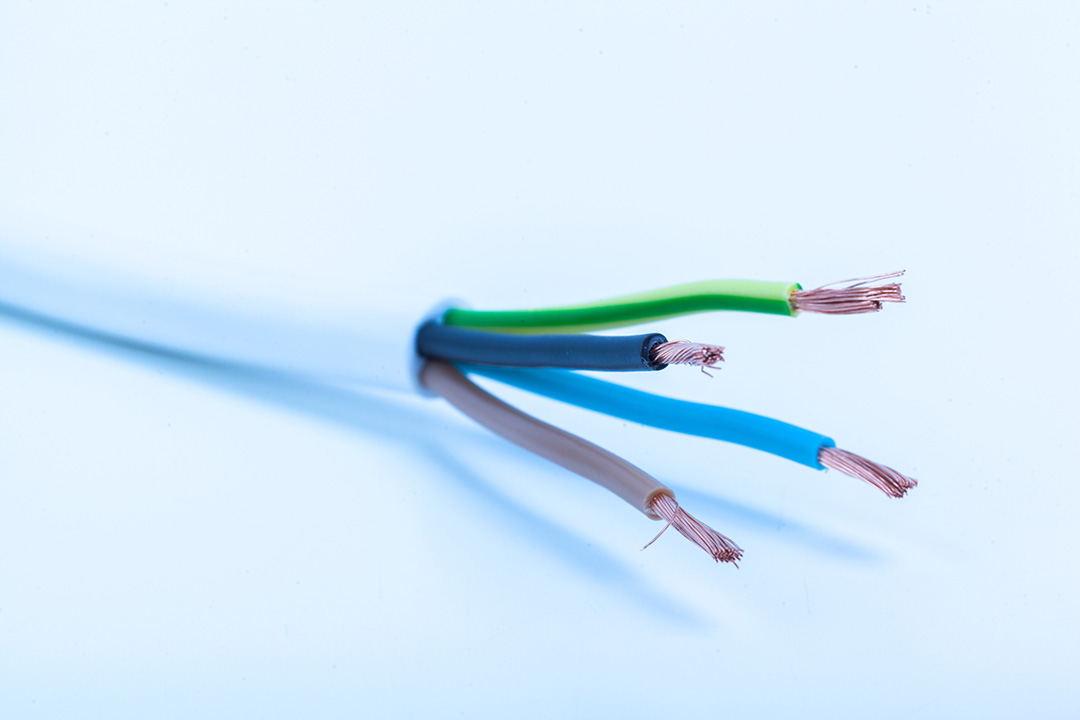
Electrical wires come in different colors due to safety rules. Many people focus on black or white wires because they carry current. But the green wire often gets ignored. That can be dangerous. If you’ve ever wondered what the green wire in the electrical system is, the answer is tied directly to safety. Read on [...]