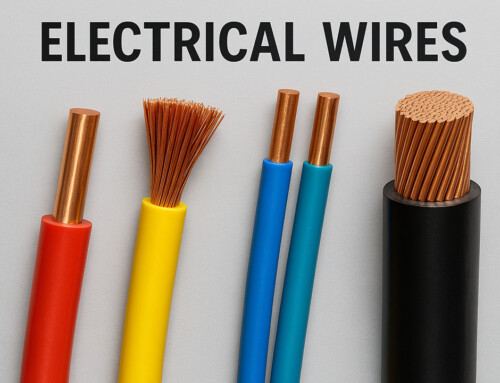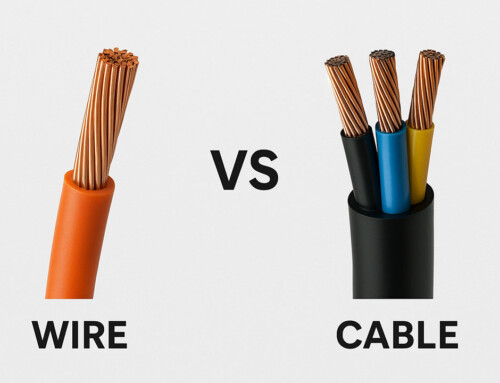
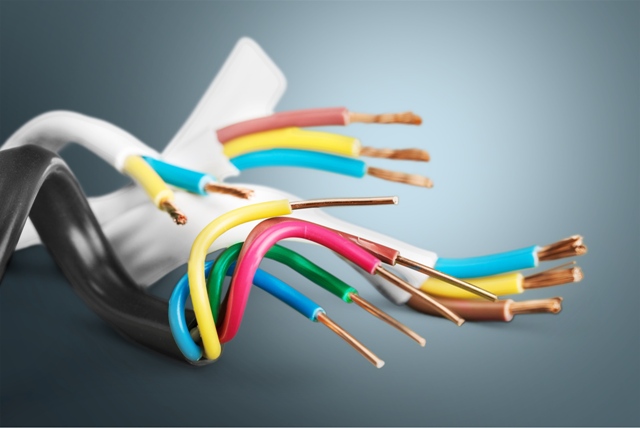
If you’ve ever shopped for electrical wires, you’ve probably encountered the choice between TFFN and THHN. At first glance, they may appear similar because both use thermoplastic insulation and a nylon jacket. However, they are designed for very different electrical applications.

The biggest difference between TFFN vs THHN wire is this: TFFN is a flexible fixture wire designed for low-current applications inside fixtures and appliances, while THHN is a building wire used for branch circuits, conduit runs, and power distribution. TFFN is smaller, highly flexible, and intended mainly for dry indoor environments. THHN supports much larger wire sizes, handles higher current loads, and is commonly used in residential, commercial, and industrial electrical systems.

Understanding the difference helps you choose the correct wire for your project, avoid NEC code violations, and ensure safe electrical installations.

This guide explains what TFFN wire is, what THHN wire means, their applications, safety considerations, and the key differences between TFFN wire and THHN. By the end, you’ll know exactly which one fits your needs.

Key Takeaways: TFFN vs THHN Wire

  • TFFN wire is flexible, lightweight, and ideal for fixtures, appliances, and low-current control circuits.
  • THHN wire is designed for building wiring, branch circuits, conduit installations, and larger electrical loads.
  • The biggest differences between TFFN vs THHN are flexibility, wire size range, NEC classification, and moisture resistance.
  • TFFN is limited to small gauges and dry locations, while THHN can also be used in wet locations when dual-rated as THWN or THWN-2.
  • TFFN and THHN are not interchangeable under NEC wiring rules.
  • Always check local electrical codes, wire ratings, and environmental conditions before selecting electrical wire.

Quick Comparison: TFFN vs THHN

Feature TFFN THHN
Main Use Fixtures, appliances, control circuits Building wiring and branch circuits
Flexibility Highly flexible Moderate flexibility
Gauge Range 16 AWG to 18 AWG 14 AWG to 1000 MCM
Wet Location Rated No (unless MTW-rated) Yes (as THWN/THWN-2)
Branch Circuit Use Not permitted Permitted
NEC Classification Fixture wire Building wire

What is TFFN Wire?

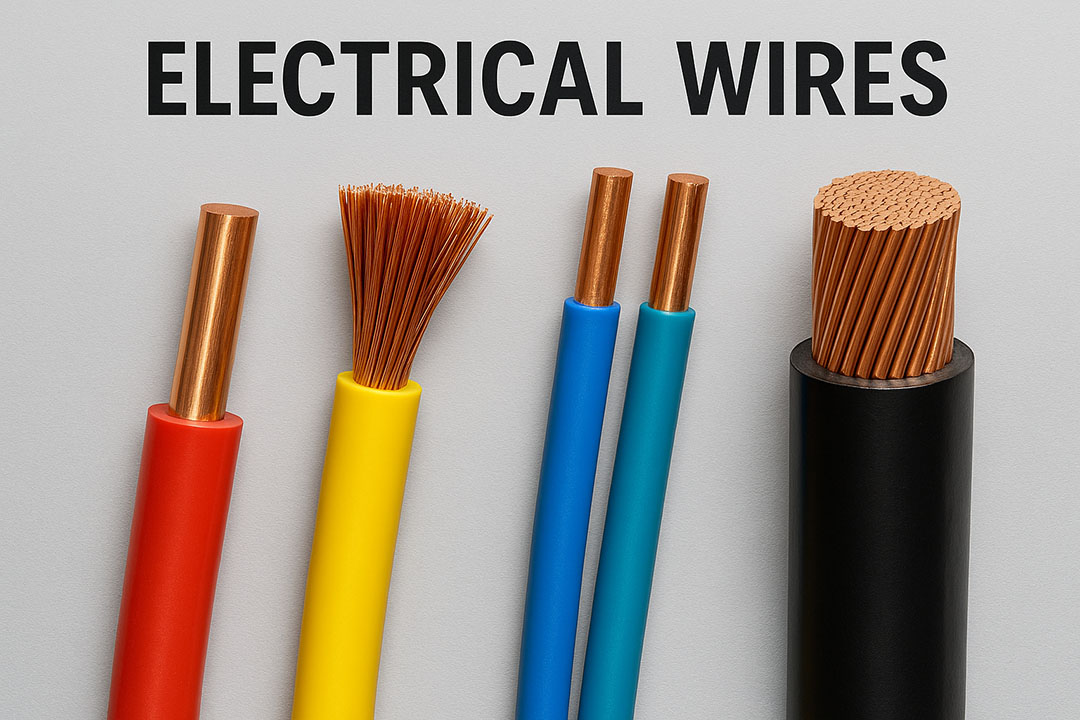
TFFN stands for Thermoplastic Flexible Fixture Nylon. It is a lightweight, insulated copper wire with thermoplastic insulation and a protective nylon coating.

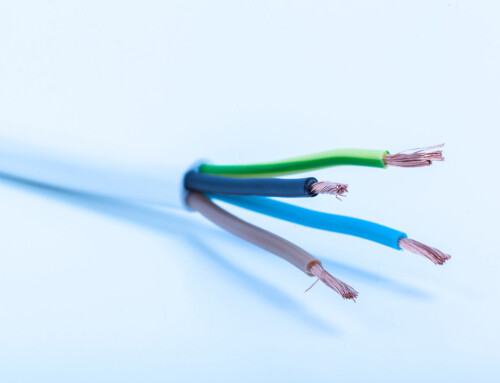
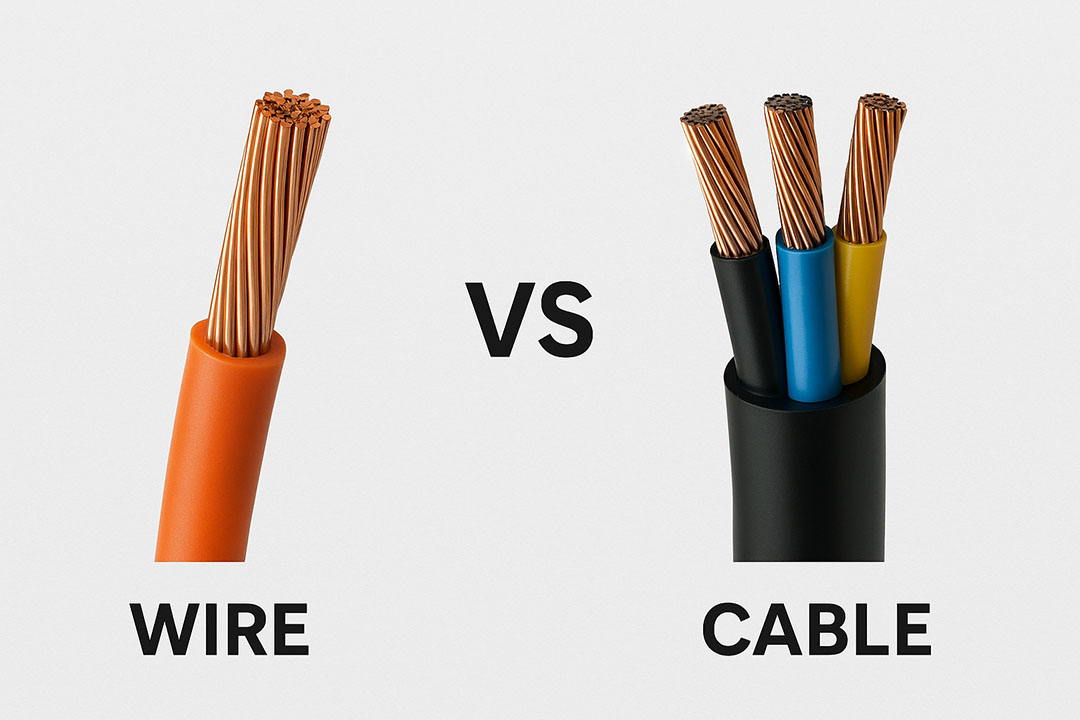
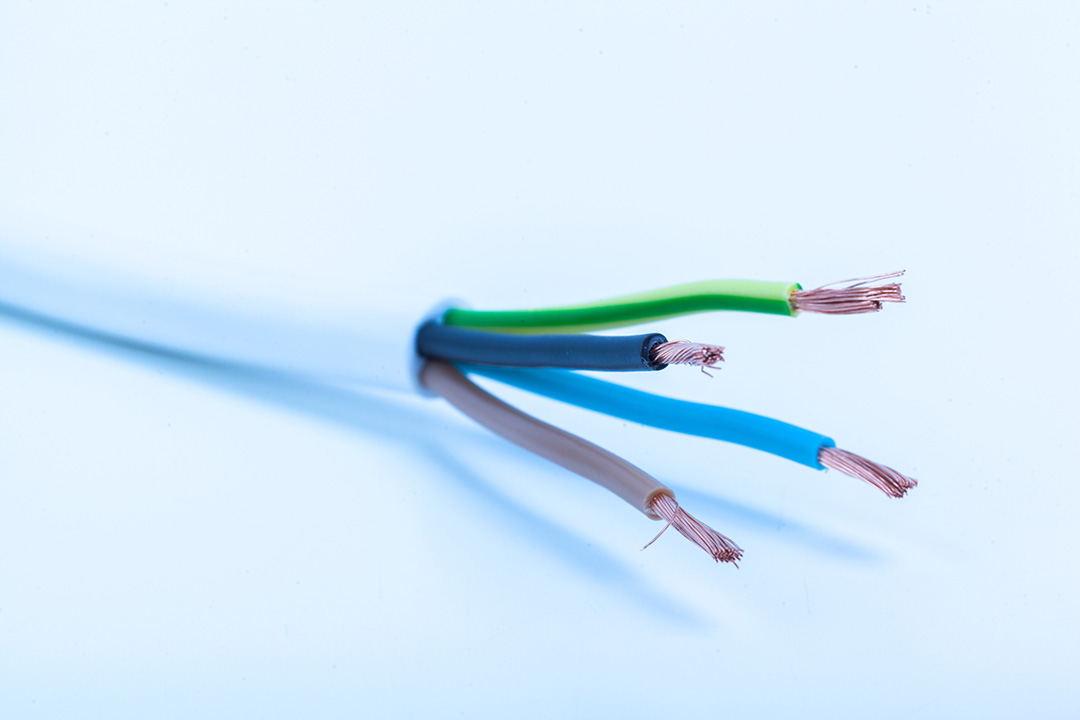
The defining feature of TFFN wire is its stranded copper conductor, which makes it highly flexible and easy to route through fixtures, control panels, and tight electrical spaces.

TFFN wire is rated for 600 volts and designed for dry locations with a temperature rating of 90°C.

TFFN wires are usually available in smaller gauges such as 16 AWG and 18 AWG, making them suitable for low-current electrical connections rather than major power distribution.

What Do the Letters in TFFN Mean?

  • T: Thermoplastic insulation
  • FF: Flexible Fixture wire
  • N: Nylon protective jacket

What are the Uses of TFFN Wire?

You can often find TFFN wire in residential, commercial, and industrial fixture wiring applications.

  • Control Circuits

    In control panels and automation systems, TFFN wire works well because of its compact size and flexibility. Electricians can create organized wiring layouts while maintaining safe low-current connections.

  • Household Appliance Connections

    Appliances such as fans, portable devices, and small kitchen equipment often use TFFN wire internally because it handles moderate loads while remaining compact and easy to install.

  • Lighting Fixture Connections

    The slim design and flexibility of TFFN make it ideal for lighting fixtures. It bends easily around tight corners and routes safely through compact fixture housings.

Important: TFFN is classified as fixture wire under NEC Article 402 and cannot be used for branch circuit wiring.

What is the Meaning of THHN Wire?

THHN wire stands for Thermoplastic High Heat-Resistant Nylon.

It is one of the most commonly used building wires in residential, commercial, and industrial electrical systems.

THHN wire contains a copper conductor, PVC thermoplastic insulation, and a protective nylon jacket.

THHN is rated for 600 volts and supports temperatures up to 90°C in dry locations.

Most modern THHN wire is also dual-rated as THWN or THWN-2, allowing it to be safely used in wet and damp environments.

THHN is available in a much wider gauge range, from 14 AWG to 1000 MCM, making it suitable for branch circuits, feeder circuits, and heavy-duty electrical systems.

What Do the Letters in THHN Mean?

  • T: Thermoplastic insulation
  • HH: High Heat-Resistant
  • N: Nylon protective jacket

What Is THHN Wire Used For?

You can find THHN wire in almost every type of construction and electrical project.

  • Building Wiring Systems

    THHN is widely used for residential and commercial branch circuit wiring because of its durability, heat resistance, and broad gauge availability.

  • Conduit Installations

    THHN wire is specifically designed for conduit systems including EMT, PVC conduit, and rigid conduit installations.

  • Industrial Equipment

    Its nylon jacket and heat-resistant insulation make THHN suitable for industrial machinery, panels, motors, and manufacturing environments.

  • Main Feeders and Subpanels

    Larger THHN conductors are commonly used for feeder circuits between service panels and subpanels.

TFFN vs THHN Wire: What’s the Difference?

Although TFFN and THHN may look similar, they are built for different applications.

Feature TFFN THHN
Full Name Thermoplastic Flexible Fixture Nylon Thermoplastic High Heat-Resistant Nylon
Gauge Range 16 AWG, 18 AWG 14 AWG to 1000 MCM
Conductor Type Stranded (TFFN), Solid (TFN) Solid or Stranded
Temperature Rating 90°C (dry only) 90°C dry, 75°C wet as THWN
Flexibility Highly flexible Moderate flexibility
Applications Fixture wiring and control circuits Building wiring and conduit systems
Wet Locations Not suitable Suitable as THWN/THWN-2
Voltage Rating 600V 600V
NEC Classification Fixture Wire Building Wire

In simple terms, TFFN is lightweight and flexible for fixtures and control systems, while THHN is a heavier-duty building wire designed for larger electrical installations.

Wire Size and Ampacity Matter

Wire ampacity depends on conductor size, insulation type, ambient temperature, and installation conditions.

For example, 18 AWG TFFN is designed for low-current fixture and control applications, while 14 AWG THHN is commonly used for standard 15-amp branch circuits.

Using undersized wire can cause overheating, insulation damage, and fire hazards. Always follow NEC ampacity tables and local electrical codes when selecting wire sizes.

THHN vs THWN vs THWN-2

Designation Dry Rating Wet Rating UV Resistance
THHN 90°C Not rated No
THWN 90°C 75°C No
THWN-2 90°C 90°C Yes

Most modern THHN wire is dual-rated as THHN/THWN or THHN/THWN-2. Always verify the printed jacket markings before installation.

Common TFFN vs THHN Mistakes

  • Using TFFN for branch circuits: TFFN cannot replace THHN for standard building wiring.
  • Assuming all THHN is wet-rated: Only THHN wire labeled as THWN or THWN-2 can be installed in wet locations.
  • Using undersized fixture wire: TFFN is intended only for low-current applications.
  • Installing non-wet-rated wire outdoors: Outdoor conduit is generally considered a wet location under NEC rules.
  • Confusing TFN with TFFN: TFN uses solid conductors while TFFN uses stranded conductors for flexibility.

Safety Tips for Selecting and Using Wires

Choosing between TFFN vs THHN wire isn’t only about convenience. Safety should always come first.

  • Match Wire to Environment

    Always verify whether the installation area is dry, damp, or wet. TFFN is intended only for dry locations, while THHN/THWN can handle moisture exposure.

  • Size for Current Load

    Every wire has an ampacity limit. Using undersized wire can lead to overheating and fire risks.

  • Use Proper Conduits

    Conduit protects wires from moisture, heat, and physical damage while helping maintain code compliance.

  • Check Insulation Integrity

    Inspect wires for cracks, cuts, or damaged insulation before installation to prevent shock hazards and short circuits.

  • Comply With NEC and Local Codes

    Electrical codes help ensure safe and legal installations while minimizing future maintenance problems.

  • Hire a Licensed Electrician

    For complex electrical work, professional installation ensures long-term safety and code compliance.

TFFN vs THHN: Which One Should You Choose?

The right choice depends entirely on your electrical application.

Choose TFFN wire when you need:

  • Lighting fixture wiring
  • Flexible low-current wiring
  • Appliance connections
  • Control panel wiring

Choose THHN wire when you need:

  • Branch circuit wiring
  • Conduit installations
  • Feeder and subpanel wiring
  • Wet or damp location wiring (as THWN)
  • Higher current capacity

In short, use TFFN wire for flexible fixture connections in dry spaces and use THHN wire for larger building wiring applications where durability and moisture resistance matter.

Conclusion

TFFN and THHN wires may look similar, but they serve very different purposes. TFFN is best for flexible, low-current fixture and appliance wiring in dry locations, while THHN is designed for branch circuits, conduit runs, and larger electrical installations.

Choosing the right wire depends on your environment, current load, and NEC requirements. Using the correct wire type helps ensure safe, reliable, and code-compliant electrical installations.

Shop quality TFFN, THHN, and other electrical supplies at D&F Liquidators for safe and reliable installations.

Contact Us

Frequently Asked Questions (FAQs)

Is THHN used in Romex?

Conductors inside NM-B cable use thermoplastic insulation systems similar to THHN/THWN conductors. However, NM-B cable itself has separate UL listings and construction requirements.

What is the difference between THHN and THWN?

THWN includes water resistance for wet locations, while standard THHN is intended primarily for dry locations unless dual-rated.

Does THHN wire need conduit?

THHN wire is typically installed inside conduit systems for protection and NEC compliance.

What is the difference between MTW and TFFN?

MTW stands for Machine Tool Wire and is rated for industrial environments involving oils and coolants. TFFN is designed primarily for dry fixture and appliance wiring unless dual-listed as MTW.

Can TFFN wire be used outdoors?

No. Standard TFFN wire is rated only for dry indoor environments unless specifically dual-listed for additional applications.