Table of Contents
Electrical wiring is the network of wires, cables, conduits, switches, and protective devices that safely distributes electricity throughout a building. Different electrical wiring systems are used in residential, commercial, and industrial installations depending on safety requirements, durability, installation method, and budget.
Choosing the right wiring system is important because it affects electrical safety, maintenance, energy efficiency, and long-term performance.
What is Electrical Wiring?
Electrical wiring is a system of wires and cables that carries electricity throughout a building.
It connects the power supply to lights, fans, switches, outlets, and electrical appliances.
Electrical wiring helps electricity flow safely and efficiently from one place to another.
Different types of wiring are used for homes, offices, factories, and commercial buildings depending on electrical needs.
What are the Different Types of Wiring Methods Based on Installation?
Here are the main types of electrical wiring systems:
- Cleat Wiring
- Casing and Capping Wiring
- Batten Wiring (CTS or TRS)
- Conduit Wiring (Surface or Concealed)
- Lead Sheathed Wiring
What Are the Main Types of Electrical Wiring?
Electrical wiring is available in different types based on installation methods,
safety requirements, durability, and building applications.
Each wiring system is designed for specific environments such as homes,
factories, offices, or temporary installations.
1. Cleat Wiring
Cleat wiring is a temporary wiring system where insulated wires are supported
and held in place using porcelain or plastic cleats mounted on walls or ceilings.
Advantages of Cleat Wiring
- Low installation cost
- Easy to install and remove
- Simple maintenance and inspection
- Suitable for temporary setups
Disadvantages of Cleat Wiring
- Poor appearance
- Limited protection from damage
- Not suitable for long-term use
- Higher exposure to moisture and dust
2. Batten Wiring
Batten wiring is a wiring method where insulated cables are mounted on wooden
battens using metal clips. This method is commonly used for low-voltage installations.
Advantages of Batten Wiring
- Neat and simple installation
- Lower installation cost
- Easy maintenance
- Quick fault detection
Disadvantages of Batten Wiring
- Not ideal for humid or outdoor areas
- Limited mechanical protection
- Shorter lifespan compared to conduit wiring
3. Casing and Capping Wiring
Casing and capping wiring uses insulated wires enclosed inside wooden or PVC casing
and covered with protective caps. This method provides a neat and organized appearance.
Advantages of Casing and Capping Wiring
- Provides a neat and organized appearance
- Offers additional protection for electrical wires
- Durable and long-lasting wiring system
- Resistant to oil, steam, and rain
- Reduces the risk of electric shock
- Easy to inspect and maintain
Disadvantages of Casing and Capping Wiring
- Installation can be labor-intensive
- Takes more time to install compared to some other wiring methods
- Not suitable for acidic or alkaline environments
- Can be affected by high humidity and moisture
- Less commonly used in modern electrical systems
4. Conduit Wiring
Conduit wiring is a method where insulated electrical wires are enclosed inside
metal or PVC conduits. This system protects wires from physical damage,
moisture, and environmental exposure.
Advantages of Conduit Wiring
- Considered one of the safest wiring systems
- Provides a clean and professional appearance
- Protects cable insulation from damage
- Resistant to corrosion and fire
- Suitable for humid, smoky, and chemically affected environments
- Reduces the risk of electric shock
- Reliable and durable for long-term use
- Requires less maintenance over time
Disadvantages of Conduit Wiring
- More expensive than some other wiring systems
- Installation can be difficult and time-consuming
- Fault detection may be challenging
- Requires skilled professionals for installation
- Adding future wiring connections can be complicated
- Improper handling may increase electrical safety risks
5. Lead Sheathed Wiring
Lead sheathed wiring uses conductors insulated with VIR and covered with a lead alloy sheath.
This protective covering helps prevent moisture, corrosion, and mechanical damage.
Advantages of Lead Sheathed Wiring
- Long lifespan
- Good protection against moisture and corrosion
- Strong and durable construction
- Provides a neat appearance
Disadvantages of Lead Sheathed Wiring
- Higher installation cost
- Heavy and difficult to install
- Fault detection can be difficult
- Rarely used in modern electrical systems
What Types of Electrical Cables are Used for Houses and Buildings?
1. NM-B Cable (Non-Metallic)
NM-B cable is commonly used in residential wiring.
It contains insulated conductors enclosed in a plastic sheath and is suitable for indoor dry locations.
2. Armored Cable (BX)
Armored cable includes a flexible metal covering that provides additional mechanical protection.
It is commonly used in commercial and industrial environments.
3. Underground Feeder Cable (UF)
UF cable is designed for underground and outdoor use.
It is moisture-resistant and suitable for direct burial applications.
4. Low-Voltage Wiring
Low-voltage wiring is used for systems such as doorbells,
thermostats, security systems, and networking applications.
5. Solar Cables
Solar cables are specially designed for photovoltaic systems.
They are resistant to sunlight, heat, and harsh outdoor conditions.
What are Electrical Wire Color Codes?
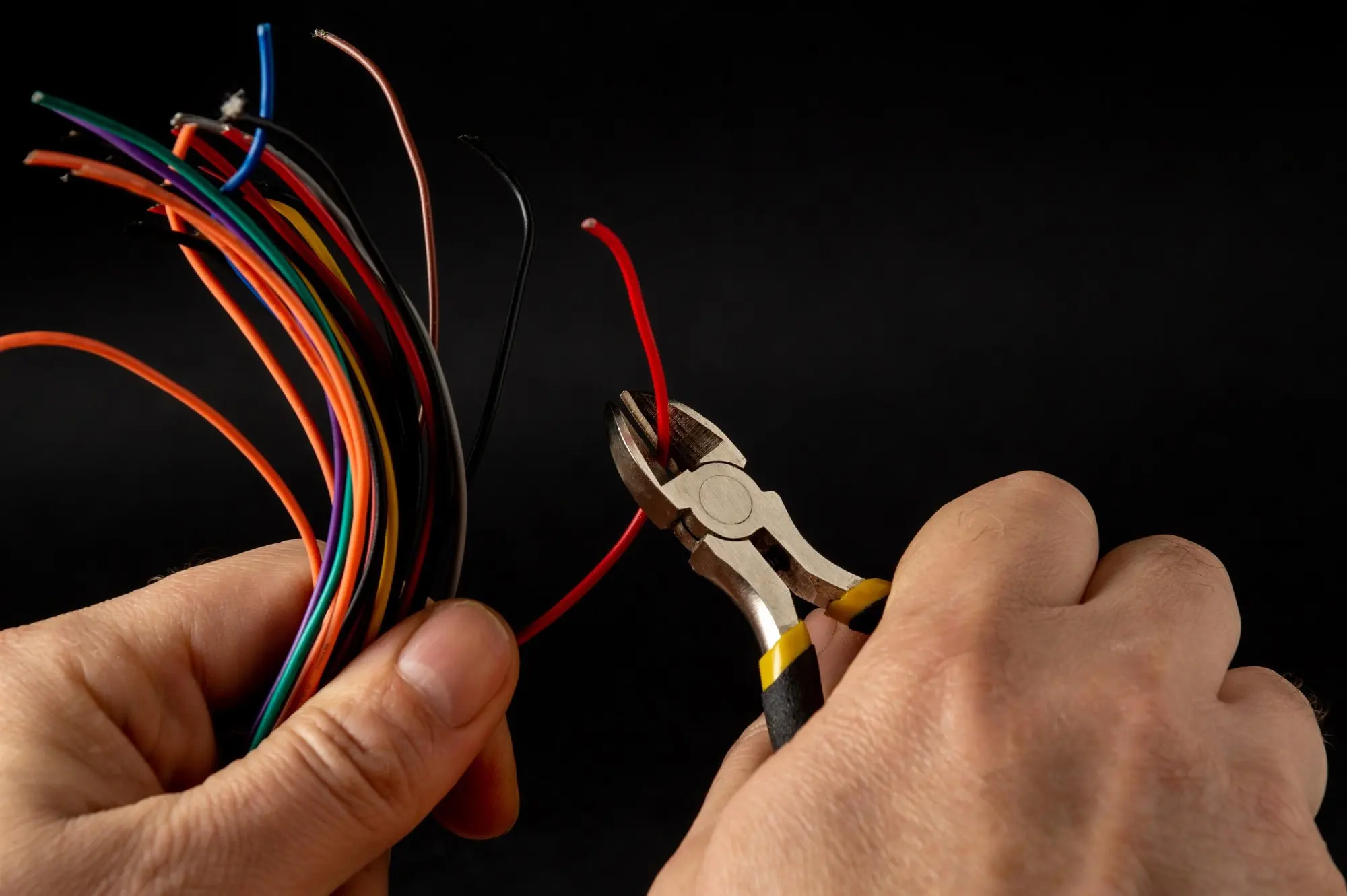
Electrical wire color codes help electricians identify the purpose of each wire safely and accurately.
-
Black or Red Wire:
Hot or live wire carrying electrical current. -
White or Grey Wire:
Neutral wire that completes the electrical circuit. -
Green or Bare Wire:
Ground wire used for safety against electric shock.
What Things Should You Consider While Choosing an Electrical Wiring System?
- Safety: Choose wiring systems that meet safety standards.
- Electrical Load: Ensure the wiring can handle power requirements.
- Durability: Use materials resistant to wear, heat, and moisture.
- Energy Efficiency: Select systems that reduce power loss.
- Future Expansion: Choose flexible systems for future upgrades.
- Environmental Conditions: Consider humidity, heat, and outdoor exposure.
- Professional Installation: Always use qualified electricians for installation.
FAQs
Why is copper used for most electrical wiring?
Copper is widely used because it is an excellent conductor of electricity,
resistant to corrosion, and highly durable.
What do “L” and “N” mean in electrical wiring?
“L” stands for live or line wire, while “N” stands for neutral wire.
What is the first stage of electrical wiring installation called?
The first stage is called rough-in wiring, where wires and electrical boxes are installed before walls are finished.
How long does electrical wiring last?
Electrical wiring can last several decades if properly installed and maintained.
Can bad wiring increase electricity bills?
Yes, faulty wiring can reduce electrical efficiency and increase power consumption.