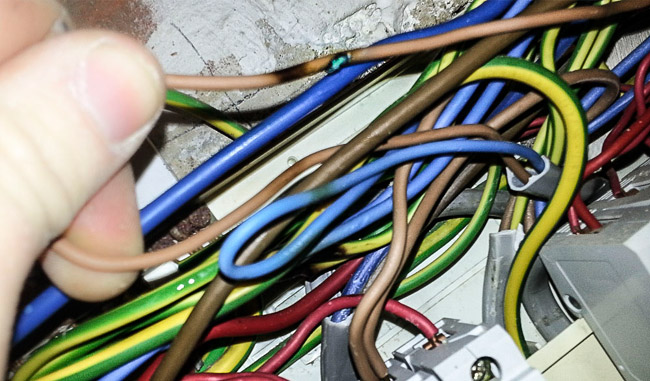
Electrical fires can be catastrophic! Heavy machinery, tools, and temporary setups increase the risk of electrical fires. These fires often stem from overloaded circuits, faulty wiring, or mishandled equipment. So, understanding how to prevent electrical fires and implementing proactive safety measures can help protect workers, property, and operations.

This guide walks you through the common electrical hazards found on job sites, practical workplace electrical safety tips, emergency response actions, and FAQs. Read on so that your team can stay safe and compliant.

What are Some of the Typical Electrical Risks at Work?

Electrical systems on job sites are often temporary, exposed, or high-powered, creating many safety concerns. Here are some of the most common hazards:

  • Faulty Electrical Design

    Improper planning or poor electrical system design can cause imbalanced loads, incompatible wiring, or inadequate grounding. This increases the risk of circuit overloads and short circuits that can trigger fires.

  • Equipment Malfunction

    Worn-out, damaged, or improperly used tools and machinery can spark or overheat. Regular inspections and using equipment as per the manufacturer’s guidelines can help reduce this risk.

  • Wet Areas

    Moisture and electricity are a dangerous mix. Job sites often have wet environments, especially outdoors or near plumbing systems. Without proper insulation or ground-fault protection, electrocution and electrical fires can occur.

  • Wiring Damage/Exposed Wires

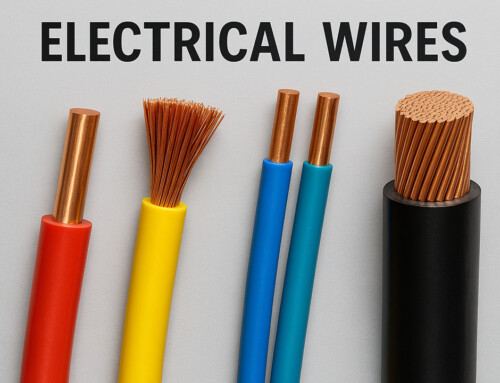
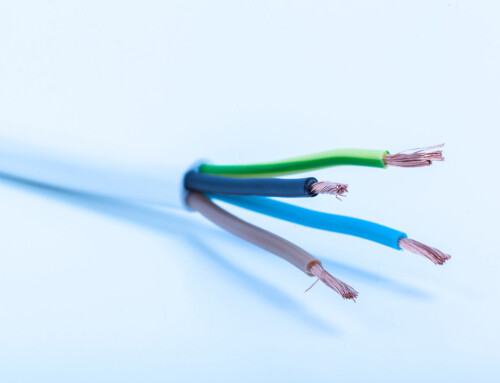
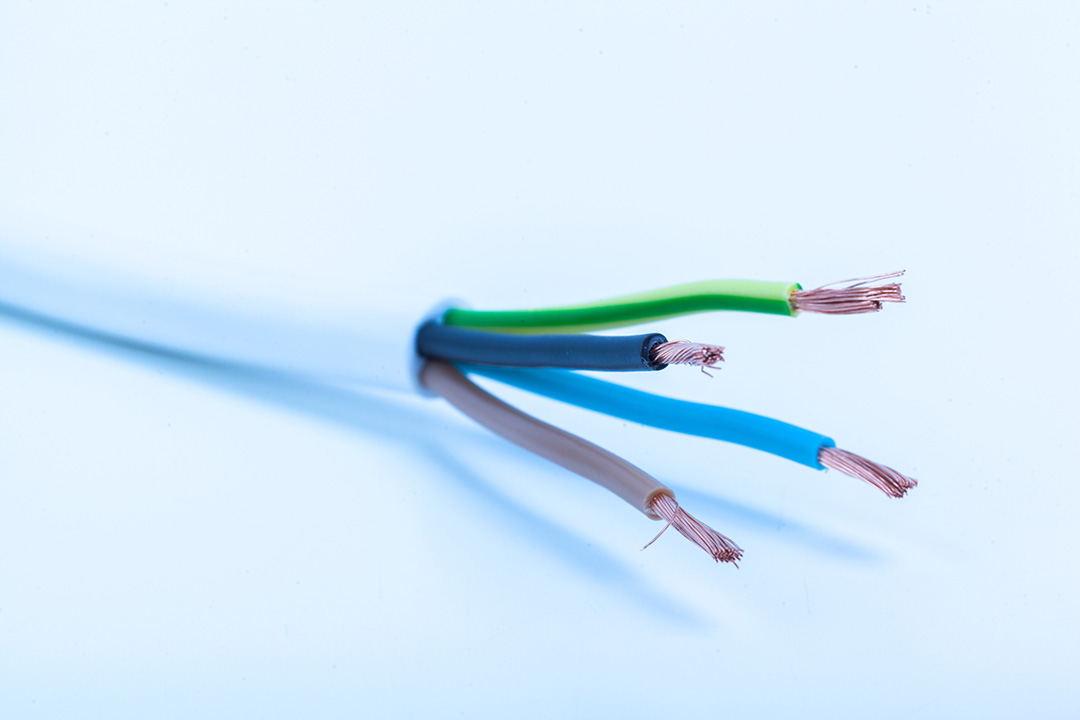
    Frayed cords, exposed wires, and poorly protected cables can lead to arcing or direct contact with flammable materials. These are serious fire and shock hazards that require immediate attention.

  • Overloaded Circuits

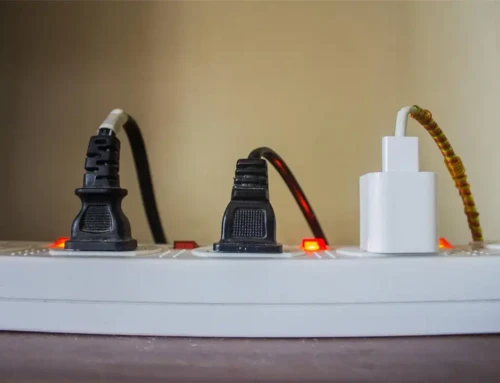
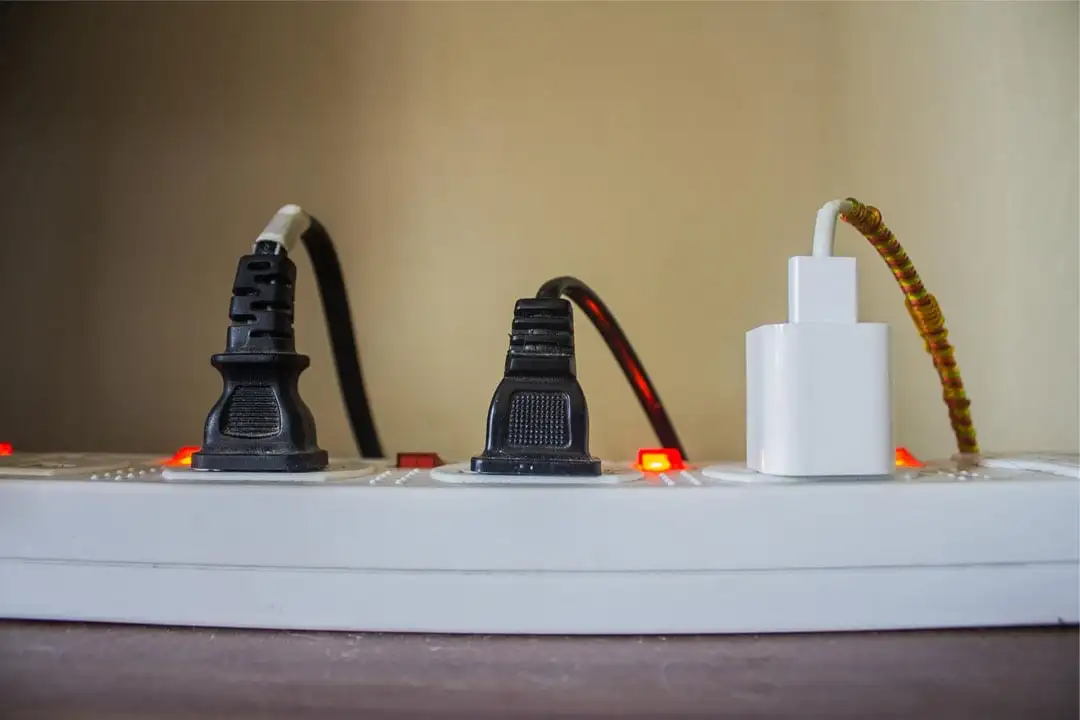
    Plugging too many tools or machines into a single outlet or circuit can lead to overheating. Overloaded circuits are a leading cause of electrical fires in workplaces, especially when temporary setups aren’t properly planned.

How to Prevent Electrical Fires in the Workplace

Preventing electrical fires starts with awareness and regular safety practices. A proactive approach not only protects lives but also reduces costly downtime and damage. Check out these super useful electrical safety tips at work:

  • Understand OSHA Standards

    Familiarizing your team with OSHA’s electrical safety standards is a key step in prevention. OSHA guidelines include proper labeling, grounding, equipment standards, and training. Ensuring compliance reduces liability and promotes a culture of safety. Frequent training updates and toolbox talks also help reinforce safety practices.

  • Prevent Accidental Electrical Contact

    Most, if not all, job and industry sites have multiple crews working on them simultaneously. Here are 2 simple precautions that you can take to avoid any accidental electrical contact:

    • De-Energize Your Electrical Components

      • If you are not using an electrical system, then it simply doesn’t have to be energized. You should keep the power shut off till you want to use it. This is how you can prevent electric shocks at your workplace in a major way.
    • Create a Barrier

      • Ensure that you install insulation equipment, such as rubber mats and conduit, around your electrical components. Post signs to inform your workers about areas with electrical hazards.
  • Always Plug into a GFCI

    This is necessary at every plug point on your job site, which is associated with your site’s temporary electrical supply, right down to the extension cords. Make sure that you only have the GFCI receptacles installed. Also, keep some portable GFCIs on hand in case you need to do any extra grounding.

  • Use Approved Equipment Only

    Only use tools, cords, and equipment that are UL-listed or approved by a nationally recognized testing laboratory (NRTL). Avoid counterfeit or uncertified devices. They might not meet safety standards and can easily fail under job site conditions. Inspect equipment before each use to ensure it’s in good working condition.

  • Temporary Electrical Service Safety

    Temporary electrical systems must be professionally installed and maintained. Ensure that temporary panels, lighting, and extension cords are weatherproof, securely fastened, and labeled. Avoid running wires across walkways or placing cords where they can be crushed or damaged.

What to Do in Case of an Electrical Fire

In case of an electrical fire at work, your first move should be to cut power. Unplug the device or flip the breaker if it’s safe. Don’t use water. Instead, follow these workplace electrical fire safety tips to protect yourself and others.

  • Turn Off the Electricity: Disconnect the power source right away if it’s safe to do so.
  • Add Sodium Bicarbonate: If you don’t have an extinguisher close by, you can use baking soda to put out tiny flames.
  • Remove the Oxygen Source: If possible, cover the fire with a fire blanket or other non-flammable item to cut off its air supply.
  • Avoid Using Water to Extinguish it: Water might exacerbate the situation because it conducts electricity.
  • Examine Your Extinguisher for Fire: For electrical fires, only use a fire extinguisher with a Class C rating.

Electrical fires on job sites can lead to injuries, project delays, and even loss of life. But with the right combination of awareness, training, and equipment, these incidents are preventable.

Start by identifying common hazards, educating your crew on OSHA and NFPA standards, and reinforcing the importance of using GFCIs, certified equipment, and safe wiring practices.

Safety isn’t a one-time effort. It’s a daily commitment. And when everyone on-site plays their part, the risks of electrical fires and other hazards can be significantly reduced.

FAQs

  1. What is the most frequent reason why electrical fires occur on construction sites?

    Frayed cords, exposed conductors, and overloaded circuits are examples of defective or damaged wiring, which is the most common cause of electrical issues. Regular examinations and high-quality equipment are essential to avoid any hazardous mishaps.

  2. How frequently should electrical dangers be checked on a construction site?

    Job sites should, at the very least, undergo visual inspections every day and more in-depth assessments every week by a qualified individual. Professional inspections in accordance with NFPA and OSHA guidelines should be conducted after major installations.

  3. Can extension cords cause electrical fires?

    Indeed. If an extension cord is damaged, overloaded, coiled too tightly, or used incorrectly, it can pose a safety risk. Never daisy-chain more than one cord together. One of the most critical electrical safety tips at work is to use only cords that are rated for your tools and surroundings.

  4. What is LOTO, and what is its significance?

    A safety measure known as LOTO (Lockout/Tagout) is employed during maintenance to guarantee that all machinery or circuits are fully turned off. It stops unintentional energization, which can result in electric shocks, fires, or even deadly injuries.

  5. Does OSHA mandate GFCIs on construction sites?

    Yes. Anywhere temporary electrical equipment or wires are used, especially outside or in moist conditions, OSHA mandates the installation of GFCIs. They assist in identifying ground faults and quickly cutting off power to avoid harm or fire.

For more workplace electrical safety tips or to source high-quality electrical supplies, visit D&F Liquidators.

Visit Now

Key takeaways: Preventing Electrical Fires on Job Sites

  • Electrical fires on job sites are often caused by overloaded circuits, faulty wiring, damaged equipment, or unsafe temporary setups.
  • Common hazards include poor electrical design, worn or malfunctioning tools, wet areas without ground-fault protection, exposed or frayed wiring, and excessive circuit loads.
  • Preventive measures include following OSHA electrical safety standards, keeping unused systems de-energized, using barriers and insulation, and ensuring all outlets have GFCI protection.
  • Only UL-listed or NRTL-approved tools, cords, and equipment should be used, with regular inspections to detect damage or defects.
  • Temporary electrical services should be professionally installed, weatherproof, securely fastened, and positioned to prevent cord crushing or tripping hazards.
  • In case of an electrical fire, turn off the power source if safe, avoid water, use baking soda or a fire blanket for small flames, and only Class C-rated extinguishers for larger fires.
  • Daily visual checks and weekly detailed inspections by qualified personnel help identify hazards early, while LOTO (Lockout/Tagout) procedures prevent accidental energization during maintenance.
  • OSHA requires GFCIs on construction sites wherever temporary electrical equipment is used, especially in wet or outdoor conditions.