Table of Contents
When it comes to the complex world of electrical wiring, the word “stranded wire” frequently appears. Its design not only increases its versatility but also makes it more adaptable to a range of applications.
However, the distinctive characteristics of stranded cables are not limited to flexibility; they also include a number of unique benefits. This blog article is here to detangle the complexities of stranded wire and its various uses so you can make informed decisions about your electrical needs.
What is Stranded Wire?
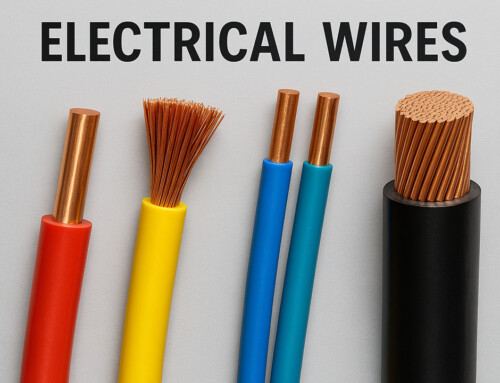
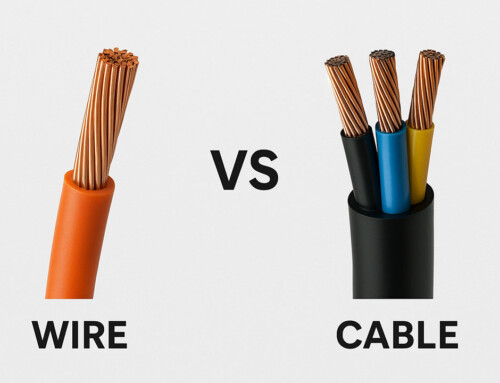
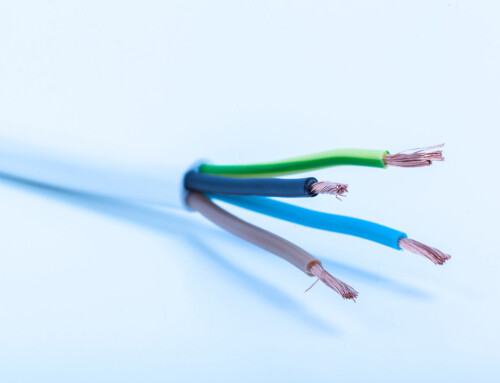
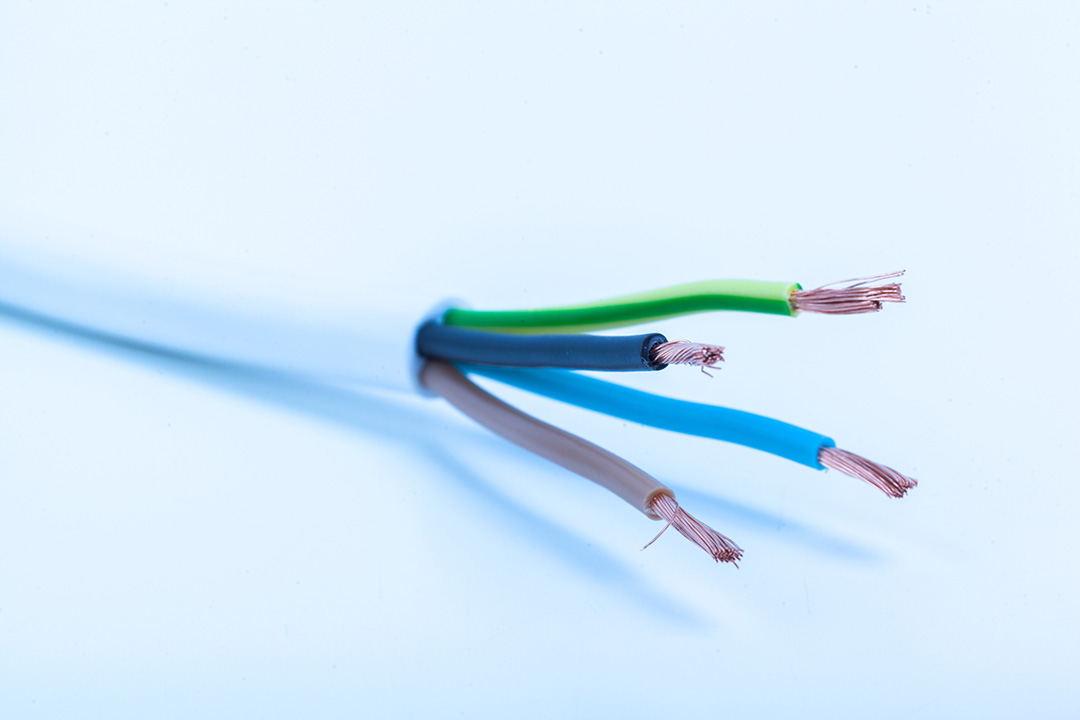
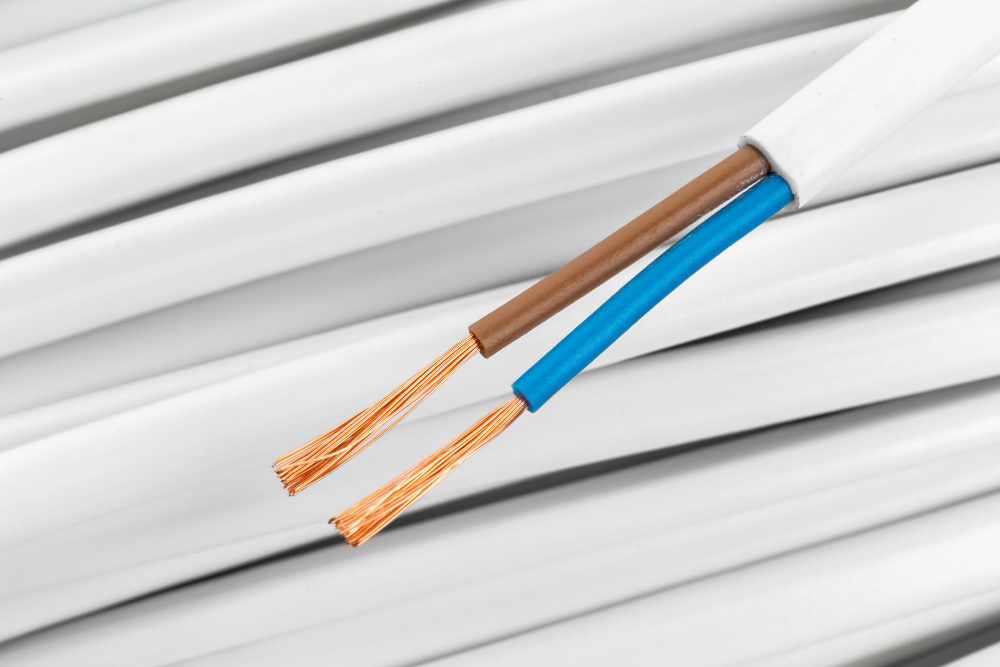
Stranded wire or cable consists of several thin, bundled wires that are insulated with non-conductive materials. Its flexibility makes it perfect for connecting electronic components in tight spaces or for shaping them to fit complex designs.
Types of Stranded Wire
When it comes to stranded cable, there are a few key types that you should know about:
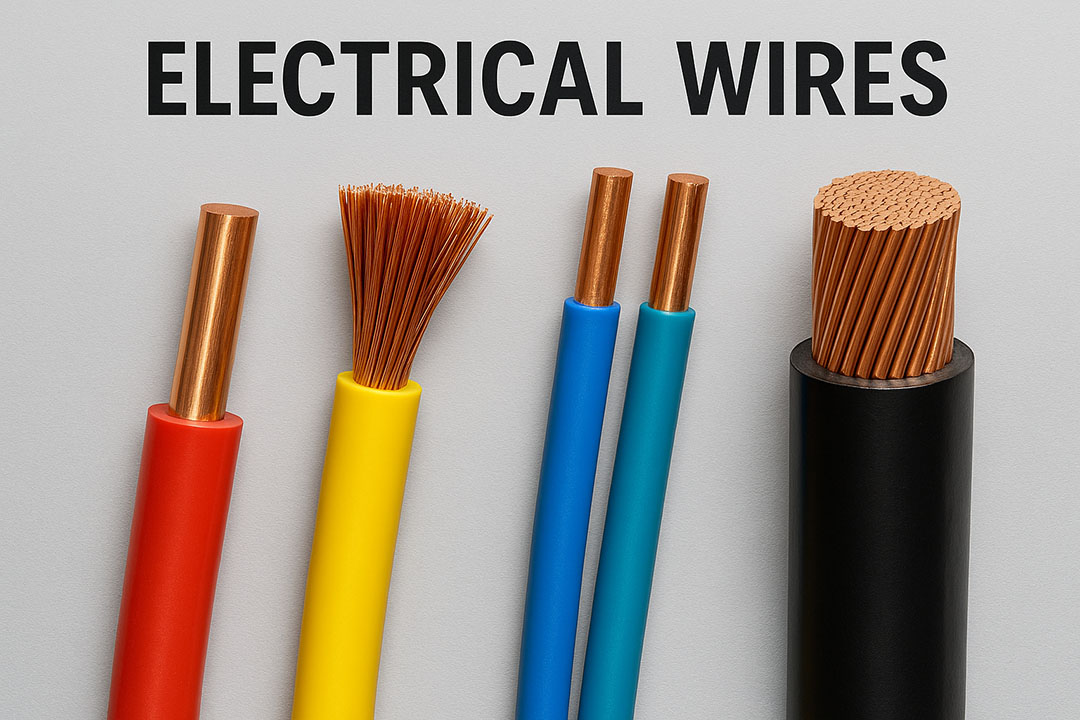
- Concentric Strand: This kind has numerous wire strands wrapped around a central core. Its shape improves flexibility and conductivity, making it an ideal choice for a variety of applications.
- Bunch Strand: This strand is made up of numerous wires twisted together irregularly. It is very adaptable and is commonly used in industrial and electrical connections due to its high conductivity.
- Rope Strands: They are designed for strength and have a wider diameter. They are often made up of multiple smaller wires knotted together. It is best suited for tasks requiring high tensile strength, such as lifting or rigging.
Advantages of Stranded Wire
-
Adaptability
Stranded wire is highly flexible, making it easier to deal with in a variety of applications. This adaptability enables simpler installation in confined places and complicated layouts.
-
Longevity
Stranded cable has a longer lifespan and performs more consistently than solid wire due to its structure. It can tolerate bending and twisting better.
-
Higher Power Load Capacity
Stranded cables may carry more current than solid wires. Its many wire strands improve the overall surface area, resulting in more efficient power flow.
-
Lower Skin Impact
Stranded wire substantially lowers the skin effect, a phenomenon in which high-frequency AC currents pass over the surface of conductors.
Disadvantages of Stranded Wire
-
Corrosion Risk
Stranded wire can be more prone to corrosion, reducing its durability and performance over time.
-
Higher Cost
Stranded wire is often more expensive than solid wire. So, it might have a negative impact on your budget.
-
Voltage Drop
This type of wire may encounter increased voltage drop, perhaps resulting in decreased efficiency in your electrical systems.
Stranded Wire Application
- Electronics: Stranded wire is ideal for connecting components in devices such as televisions, audio systems, and computers, mainly if movement is frequent.
- Automobiles: Stranded wire is widely used in automobile wiring harnesses, lighting systems, and engine components due to its flexibility and vibration resistance.
- Industrial: Stranded wire shines in industrial applications for control systems, robotics, and automated setups, as well as in tight places where flexibility is critical.
- Electrical: Stranded cable is a solid solution for all sorts of electrical installations, whether in homes, companies, or factories.
- Aviation: Stranded wire is used in aviation wiring due to its versatility and vibration resistance.
In conclusion, understanding the nuances of stranded wire can significantly enhance your electrical projects, allowing for flexibility, durability, and superior performance in a range of applications. While stranded cable offers these advantages, being aware of its disadvantages helps you make an informed decision.
So, are you ready to elevate your electrical wiring game? Explore your options today and enjoy the flexibility and reliability that stranded wire brings to your work!
Make your home safer today! D&F Liquidators offers all the electrical supplies you need!
Frequently Asked Questions (FAQs)
What are Solid Wires?
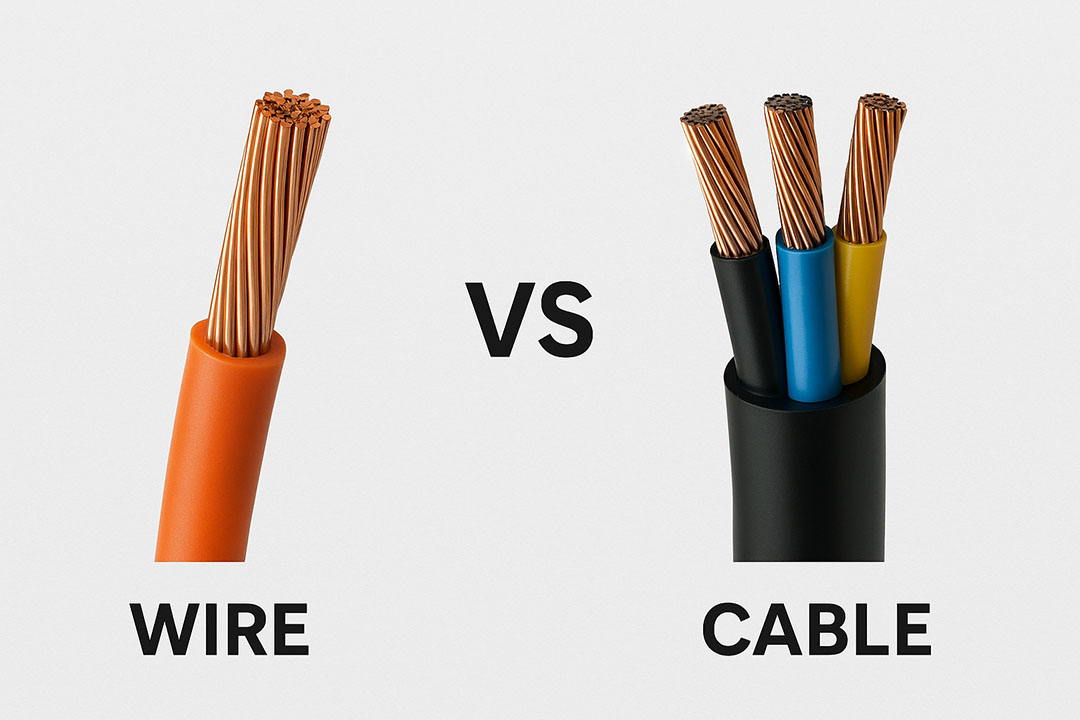
Solid wire consists of a single strand of metal. Its compact structure allows it to carry strong currents efficiently. This type of wire is ideal for applications where flexibility isn’t required. It is a reliable choice for fixed installations.
What is the difference between solid wires and stranded wires?
Whenever the topic of solid vs stranded wire comes up, it is noted that stranded wire is more flexible than its solid counterpart and won’t break or split easily. This is because stranded cables are made from multiple smaller strands twisted together, offering greater flexibility and durability, making them suitable for dynamic or movable setups.
Therefore, it is commonly used indoors for applications like electronic devices, circuit boards, and speaker wires. On the other hand, solid wires consist of a single, thick conductor and are ideal for stationary applications where minimal flexibility is needed.
While solid wire provides better conductivity over longer distances without signal loss, stranded wire excels in environments requiring bending or twisting. Ultimately, the choice between them depends on your specific application needs—whether you prioritize stability or adaptability in your wiring solutions.
Why isn’t stranded wire used in houses?
Stranded cable isn’t commonly used in homes because solid wire offers better resistance to corrosion. With fewer connections, there’s less chance for deterioration over time. This makes solid wiring a more reliable choice for residential electrical systems.
What is the skin effect?
In electromagnetism, the skin effect defines how alternating current (AC) behaves in a conductor. Instead of flowing equally throughout, the current concentrates at the surface and diminishes dramatically as it descends.
This phenomenon occurs as a result of opposing eddy currents created by changes in the magnetic field produced by AC. Essentially, the majority of the electrical flow happens at or near the outer layer, up to a particular depth called skin depth.
What is ampacity?
Ampacity refers to the maximum electric current, measured in amperes that a conductor can safely carry on a continuous basis without surpassing its temperature limits. This concept is outlined by the National Electrical Codes in the United States and helps ensure safe electrical installations.
Understanding ampacity is crucial for selecting appropriate wiring to prevent overheating and maintain optimal performance under various usage conditions.