Table of Contents
What is TFFN Wire?
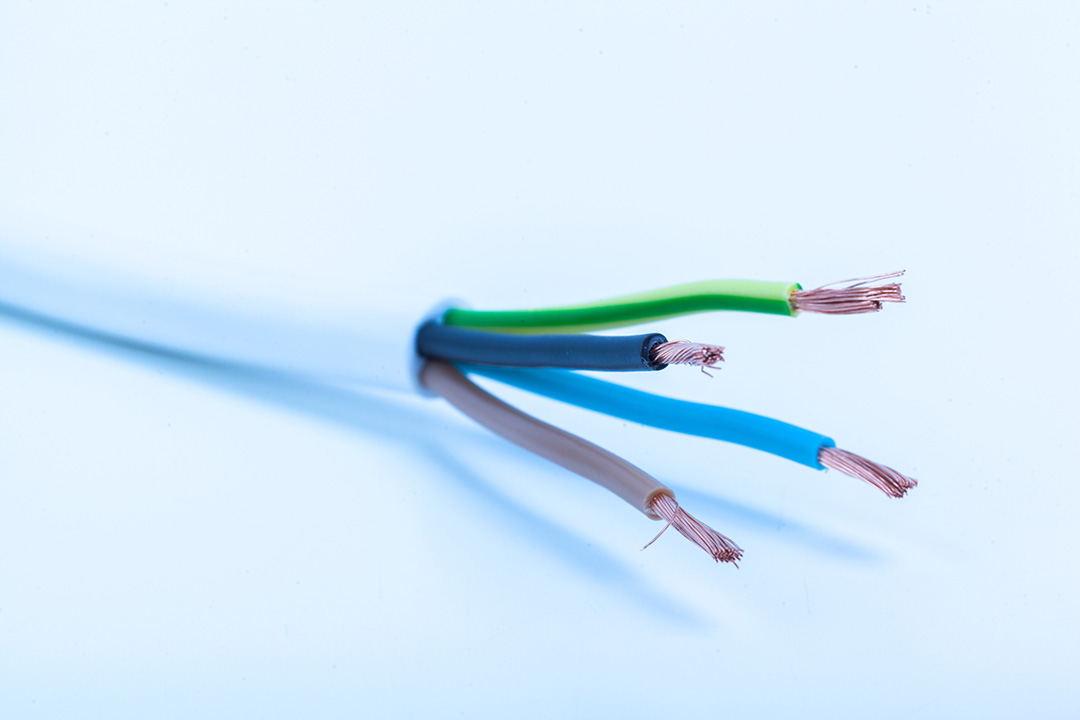
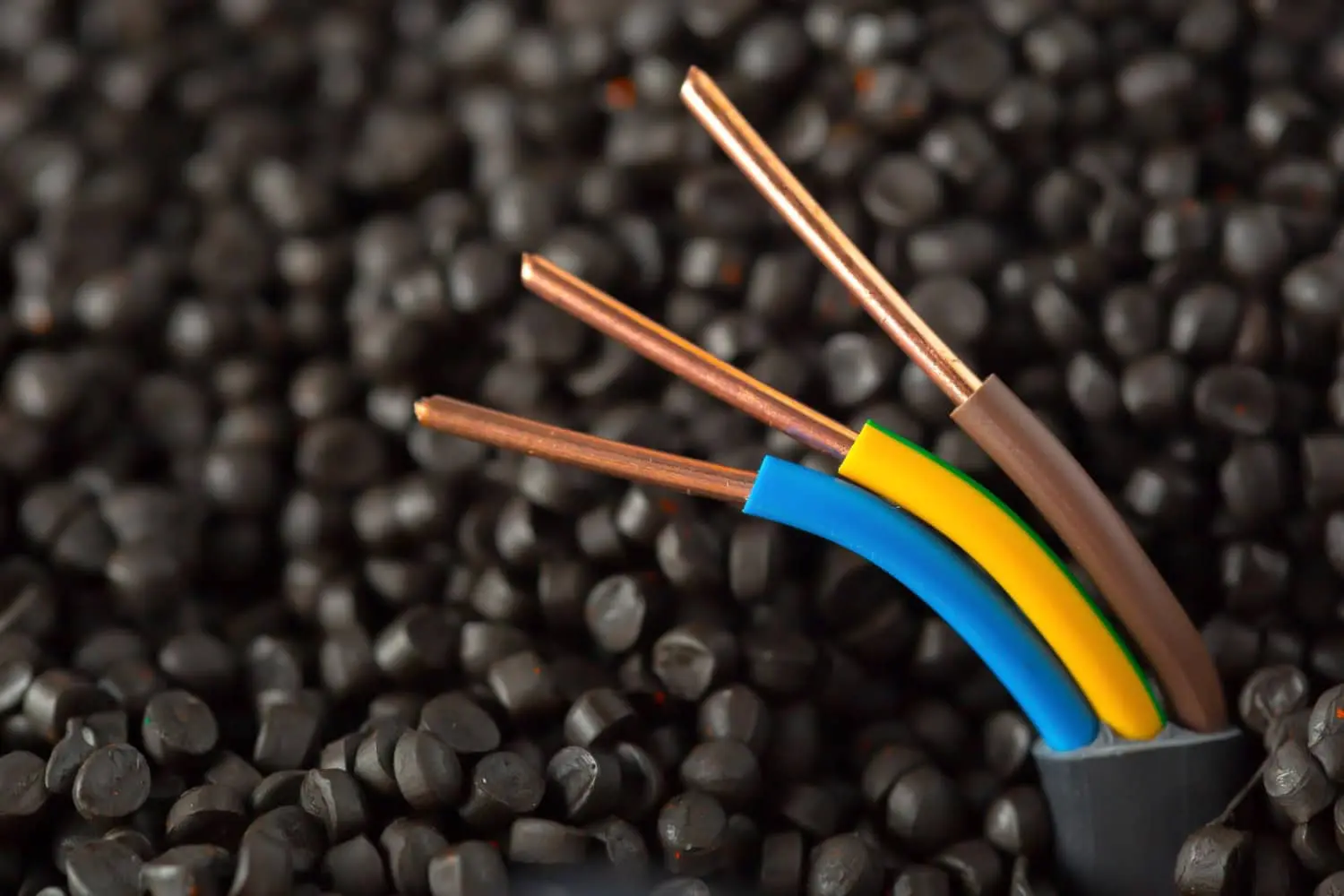
When delving into the world of electrical wiring, you might often encounter the term TFFN wire. TFFN means Thermoplastic Flexible Fixture Nylon, which essentially describes this wire’s construction and purpose.
The “TFFN” marking denotes thermoplastic insulation composed of polyvinyl chloride (PVC) with an additional nylon jacket for extra protection. It is known for its thin, flexible, and durable nature, making it ideal for use in tight spaces and for connecting light fixtures.
Typically, TFFN wire is rated for a maximum voltage of 600 volts and can withstand temperatures up to 90°C. These features ensure that it can handle most standard electrical applications. It is a fixture wire recognized by the National Electrical Code (NEC). According to NEC requirements, this wire must not be twisted or bent while in operation.
TFFN is only available in two sizes—18 AWG with a maximum ampacity of 6 amps and 16 AWG supporting up to 8 amps.
Key Features & Benefits of TFFN Wire
To appreciate the value of TFFN wire, it’s essential to understand its key features. Here’s what sets it apart:
- Temperature Rating: TFFN wire has a temperature rating of 90°C (194°F). This high-temperature tolerance means that the wire can withstand a large amount of heat without deteriorating, making it suitable for a variety of high-temperature applications.
- Moisture Resistance: TFFN wire has moderate moisture resistance and may endure wet circumstances to some extent. However, for more water-intensive settings, moisture-resistant cables may be required.
- Flame Resistance: One of the most notable qualities of TFFN wire is its exceptional flame resistance. This feature improves safety by reducing the likelihood of fire dangers.
- Sunshine Resistance: TFFN wire is sunshine resistant, making it suited for applications where UV light exposure is a problem.
- Easy Installation: Installation of TFFN wire is simple because of its flexibility, which saves time and money on labor. Also, it has a wide range of applications, including residential and commercial settings.
- Cost-Effectiveness: TFFN wire provides an affordable alternative for wiring requirements. Despite its reduced price, it does not sacrifice quality, giving excellent performance similar to higher-end wires.
Applications of TFFN Wire
Looking at all those features and advantages, you might be wondering what TFFN wire is used for! Well, here is your answer:-
- Residential Applications: TFFN is widely used in homes for lighting and other electrical purposes. Its simplicity of installation and versatility make it a popular choice for both DIY enthusiasts and professional electricians.
- Commercial & Industrial Applications: TFFN wire is used in a variety of commercial applications, such as office buildings, retail spaces, and industrial facilities. Its durability and safety features make it ideal for usage in these challenging settings.
- Outdoor Installations: TFFN is highly sunshine resistant and may be used in outdoor applications where UV light exposure is a concern. This includes outdoor lights, signage, and other electrical installations that need long-lasting, UV-resistant wiring.
- Lighting Fixtures: TFFN wires are often used in light fixtures. Their capacity to withstand high temperatures makes them ideal for use in fixtures that require heat dissipation.
- Outlet and Switches: TFFNs are also used to connect outlets and switches. Their strong insulation promotes safety and lifespan, lowering the risk of electrical fires and short circuits.
Limitations of TFFN Wire
While TFFN wire offers many advantages, it’s essential to understand its limits to avoid problems in your electrical projects.
- Limited Ampacity: TFFN wire usually has a lesser ampacity than other forms of wire, such as THHN wire or XHHW-2 wire. This implies it may not be appropriate for high-current applications or circuits that demand a lot of power.
- Susceptibility to Physical Damage: TFFN is nevertheless susceptible to physical damage, especially in severe conditions or when it is exposed to sharp objects or high mechanical stress.
- Not Suitable for Outdoor Use: TFFN wire is primarily intended for indoor use. While the nylon jacket provides some moisture resistance, it is not designed to survive prolonged exposure to the outdoors.
FAQ
What is the main distinction between TFFN and THHN wires?
When comparing TFFN and THHN wires, the key distinction lies in their usage conditions. THHN wire is versatile for both dry and wet environments, while TFFN wire is limited to dry settings only.
What is the variation between TFN and TFFN wires?
TFN stands for Thermoplastic Fixture Wire Nylon, which is a solid single-conductor used mainly in fixtures. On the other hand, TFFN (Thermoplastic Flexible Fixture Nylon) offers greater flexibility than its counterparts like TFN or even THWN/THHN wires, making it ideal for use where more bendability is needed, such as heating appliances.
Can TFFN wire withstand damp conditions?
Absolutely! This flexible wire is capable of operating in both wet and dry conditions at up to 600 volts. It can endure temperatures up to 90℃ in dry settings, giving it a solid choice for a variety of applications.
How do you select the appropriate TFFN wire?
TFFN wires come in various gauges. Choosing the appropriate gauge is determined by the present load and the distance to be covered. Thicker wires (lower gauge numbers) may carry larger currents over longer distances without experiencing substantial voltage drops.
For example, 12 or 14 AWG is appropriate for ordinary lighting circuits. However, 10 or 12 AWG may be preferable for heating equipment such as ovens. Before choosing a gauge, make sure to evaluate your project’s electrical requirements.