Table of Contents
Electricity is like a kitchen knife. If you use it wisely, it can cut food and prepare delicacies. If you use it unwisely, it can end up cutting your finger. Electricity flows through anything that is a “conductor.” Interestingly, humans are very good conductors of electricity!
Why are Cables Insulated?
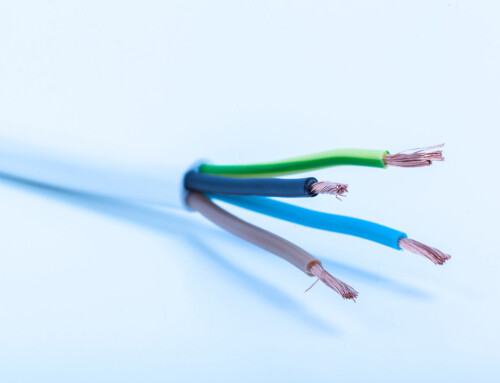
Since electricity is a form of energy, a strong current has the ability to seriously harm you. If the current is strong enough, you can be fatally injured. Due to the strong possibility of a fatal injury occurring, electric cables are insulated. Another important reason why they are insulated is to prevent energy from dissipating into the surroundings, allowing it to be conserved.
How are Cables Insulated?
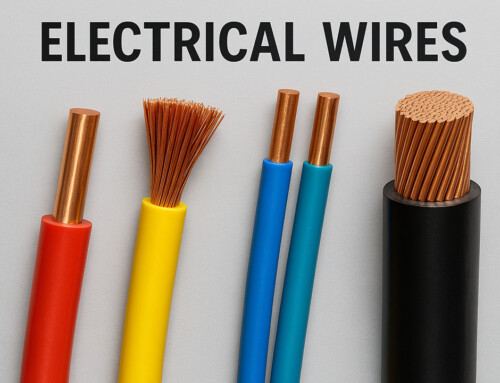
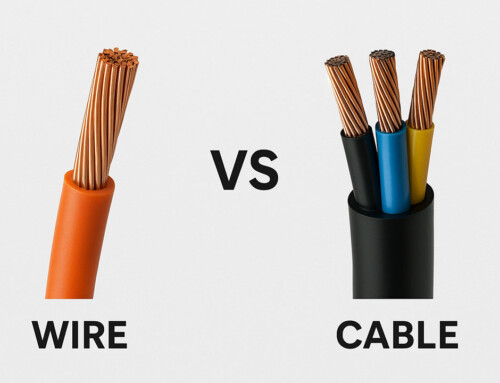
Cables and wires are insulated using electrical insulators. The electrical insulators are non-conducting materials that encircle the cables and provide a buffer between the cable and anyone or anything that may come in contact with it. Wood is a very good insulator. Rubber and plastic are the most common types of insulators that you would find on cables today. These are usually referred to as Polyvinyl Chloride, or PVC, insulators.
Features of Cable Insulators
The features of materials that are used as insulators is as follows:
- High levels of insulation with resistance
- Resistance to physical damage varying from cuts to abrasions
- Efficient mechanical as well as electrical properties
- Resistance to liquids such as oil as well as chemical solvents
- Resistance to weather elements such as rain, strong winds, and dust
- Resistance to naturally occurring ozone in the atmosphere
Resistance and Temperature
Resistance and temperature have a strong relationship. Everything around us is made up of molecules, and these in turn have free electrons. It is these free electrons that jump around inside every object, allowing electricity to flow through them. In the case of a bad conductor such as wood, there will be fewer free electrons that can conduct electricity. In the case of strong conductors such as metal, there will be loads of free electrons. When an object is heated up, thereby increasing its temperature, that object will start “releasing” free electrons. This means that as the temperature of the conductor increases, more free electrons will join the fray, making it even more conductive.
To sum up this effect, the hotter the conductor is, the better it will conduct electricity. That is why it is important for insulators to be resistant to heat so they can continue to be insulators even if the temperature around them rises.
Resistance and Thickness
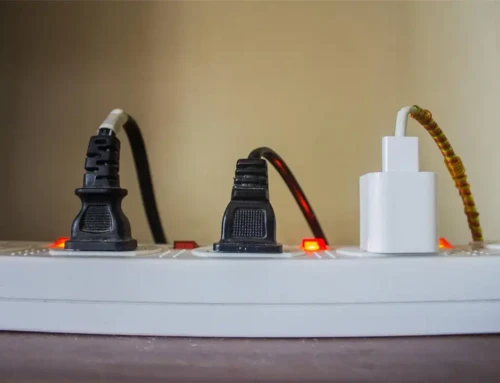
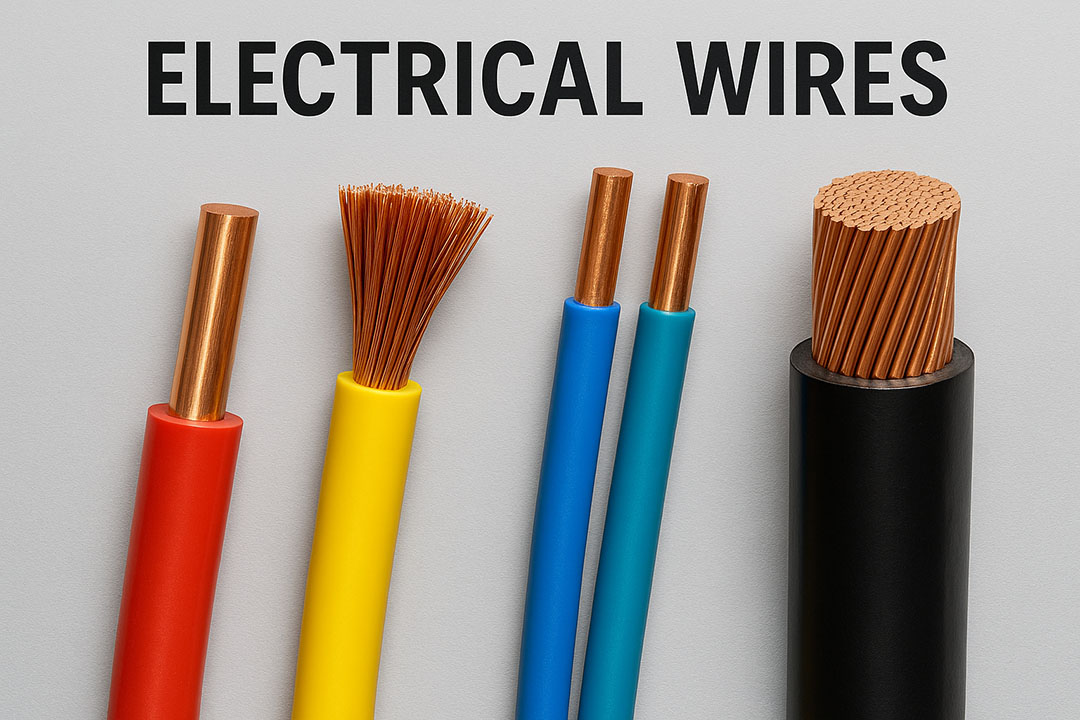
There is also a strong relationship between the resistance of a cable and the thickness of the insulator. Increase in thickness means increase in resistance, and the opposite is also true. If thickness is reduced, the resistance of the insulator also reduces. The required thickness of the insulator is normally determined by the purpose for which it will be used. For instance, you may have noticed that the cable on the charger for your smartphone is extremely thin. However, if you were to check the cable that goes into your television or refrigerator, you will notice that it is a lot thicker. The more power an appliance draws, the greater will be the strength of the electricity flowing into it, which means that thicker insulators need to surround the cable.
Coaxial Cables
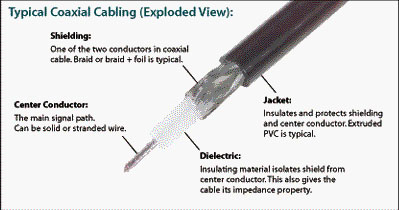
Image Source: services.eng.uts.edu.au
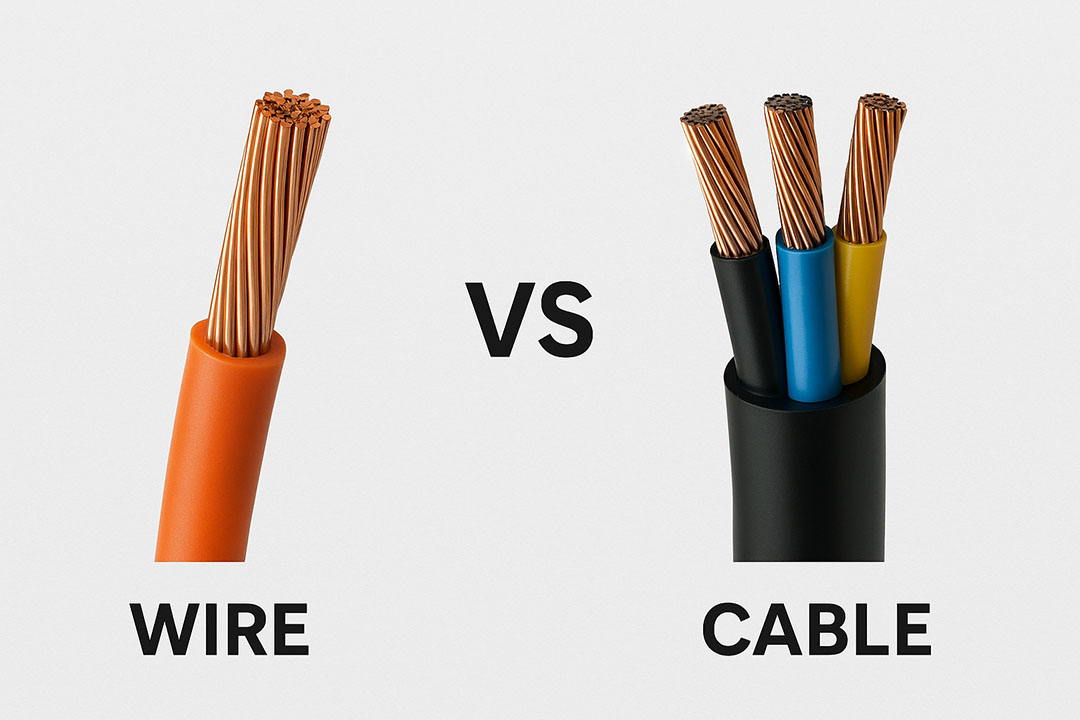
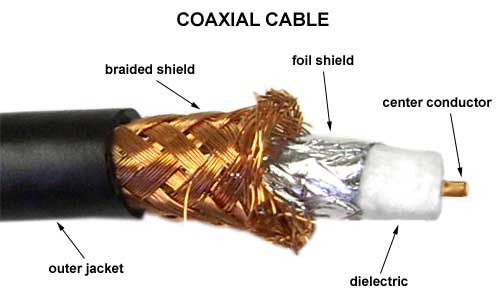
Speaking of insulators and cable thickness, it is common to find multi-layered cables that have a number of insulated cores within them for grounding and protection purposes. These cables are referred to as coaxial cables and are generally used in applications where large amounts of electricity flow is needed. In a standard issue coaxial cable you will find the following cores, each encapsulated by the one surrounding it:
- Inner Core – This would be the conductor, the primary cable responsible for the current flow. The standard conductor used for the inner core is copper. Copper is an excellent conductor and has minimal resistance. It is not uncommon to find that it is usually plated to improve efficiency.
- Middle Layers – The middle layers are made up of at least two separate insulators. These insulators are normally made of aluminum foil with copper strands running between them. These will do the primary job of insulating the current from the external environment.
- Outer Layer – This would be the PVC insulation that was mentioned earlier. The PVC is primarily there to hold the middle layers and prevent any electricity leakage. Further, the PVC will protect the middle layer from environmental dangers like the sun, wind, rain, and abrasions.
Compared to standard designs of cables, i.e. single core with single insulator, the coaxial design is preferred because of its ability to ground and contain electric as well as magnetic fields that are generated as the current flows through the central core. It could be said that without insulators there would be no practical way to build any sort of electrical appliance. Could you imagine even something as simple as your phone charger without the outer insulator covering? Not really!